
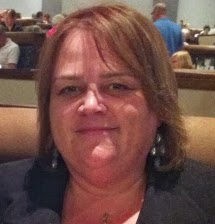
We are pleased to welcome Sheila Webster, Editor of FellowScript Magazine, as our Guest Blogger today.
The challenge of being called to write words about taboo topics is that as a Christian writer, we should fully engage. We are steeped in God’s word, steeled with His armour and bathed in prayer. Since the fall of man there has been a need for taboo topics to be addressed. As humans, sin is always “crouching at our door, but we can chose to overcome it.” Sometimes the sin is not to write.
Evil abounds in the world and we are called to overcome it by speaking the truth in love in our society and our faith groups. Evil is not a distant enemy at times; it is anything that is fashioned to cloak the wrong of this world in taboo subject matter or under the thin veil of not appropriate subject matter for the Christian writer.
I was called to task for mentioning in my book, A Simple Spirituality, the truth about a situation. I did not name the person, the year or any other identifying information. I mentioned a true happening. I was told that we shouldn’t ‘talk about such things.’ The harshest censure will often come from those closest to us, who we hoped would understand why we need to expose the lie and speak the truth.
It has fallen within my realm to talk about child sexual abuse, spiritual abuse, cults, rape within marriage, domestic violence in clergy homes, residential school abuse, gay/lesbian/transgendered bashing, masturbation, child abuse in foster homes, pornography, the use of child prostitutes by farmers during a farm show on our own soil within blocks of my home, ethical treatment of all vulnerable persons, homelessness, the list goes on.
I have written these in letters, petitions, devotionals, poems, stories, essays, personal letters, sermons, tracts, anything that God tells me to put ink to. I have done this with trepidation, fear and trembling, but obedience. My detractors will not stand in my place before God and speak to my unwillingness to be obedient to the craft and gift God has placed in my heart, on my tongue and through my pen. I will answer to the Divine judge for my unwillingness to speak the truth about what happens in dark places in my own neighborhood, church and my own life at times.
At times God has even used my words to help bridge the gap of understanding and offer God’s truth, grace, plan of salvation and redemption to the murderer, the pedophile, the common sinner. I need to be faithful to His call, careful not to become judgmental toward perpetrator, detractor or fellow Christians.
Ephesians 2:10 tells us that “we are His workmanship, created in Christ Jesus for good works, that God prepared beforehand that we may walk in them.” It is His work, His words, His outcome – I am but a humble conduit that needs to put my reputation, pride and fear aside.
I have learned much over the years about taboo subjects, and no longer can be silent on many things as the kingdom of God is always at hand. If God has gifted you to address something – do so and be blessed for it. James will always be my best biblical friend, as God speaks to me through his ancient words found in his first chapter, “IF any of you lacks wisdom, let him ask of God, who gives to all generously and without reproach.”
If I am unwilling to speak I have missed an opportunity to grow in my faith, and reach out to my people group whose ears are open to my message though I be annoying and troublesome to others.
Sheila Webster is a writer, speaker and editor. She has been published in multiple genres and is on her fourth book.


