July 12, 2019

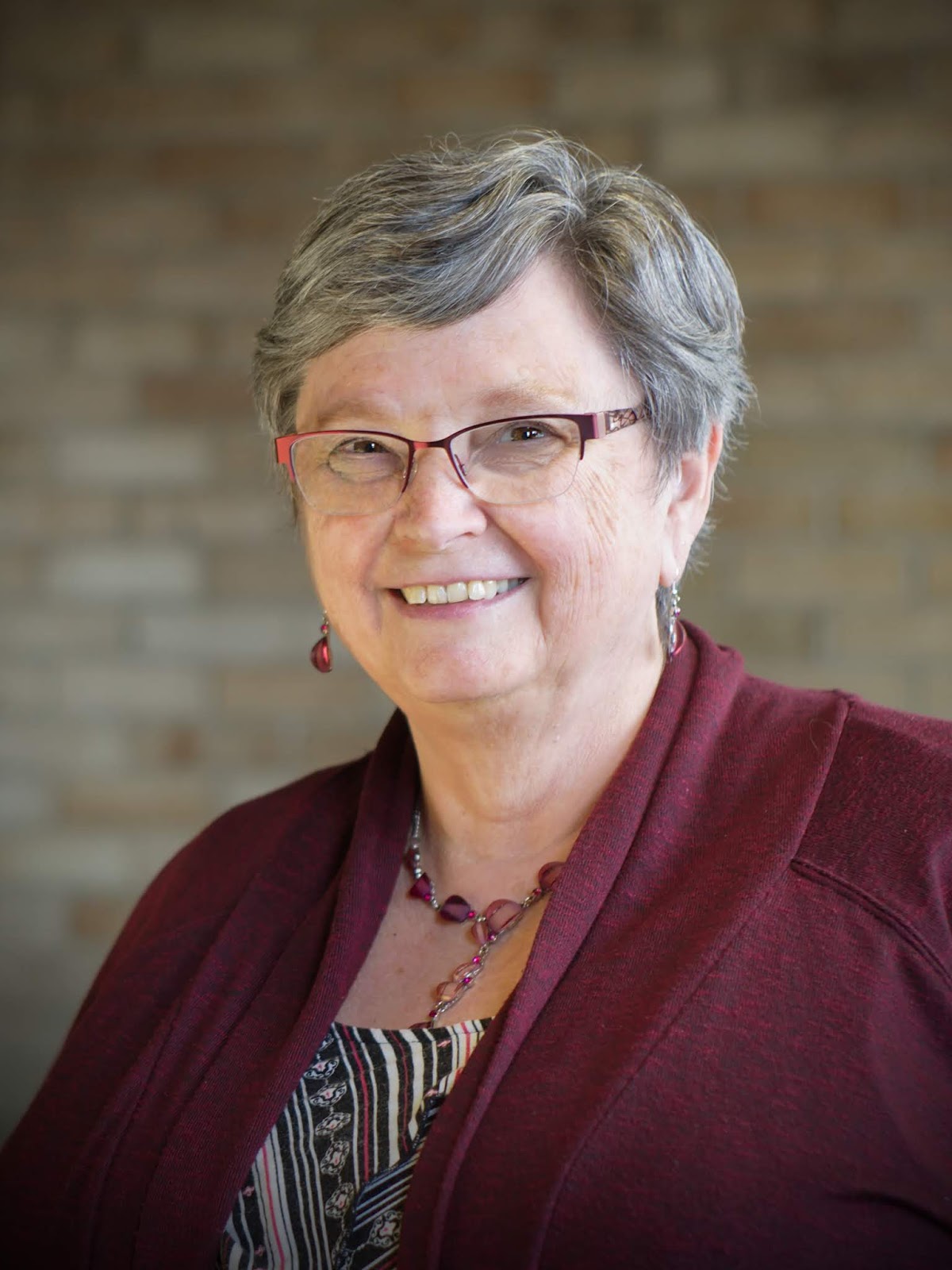
Lessons in the Unexpected - Lorilee Guenter


My pen hovers in the air, frozen. Who am I to think my words, my images, my {fill in the blank} are worth sharing? I start a sentence then scratch it out. I put the paper aside as doubt rises.

As I continue my day, I am reminded of stories of God calling his people. Some protested like Moses. But I am not called to rescue a nation. I push aside the thoughts. Still more reminders come. Stories of places God skilled people for His work. What would have happened if the temple builders questioned the skills God gave them? What would happen if...? The internal dialogue continues.

I walk down a wooded path. Beauty all around points to God, our master creator. I pause to examine the patterns of broken bark and notice a new tree starting in the decay. Words build together as I collect images. Is it a poem fragment or the beginning of an essay? I do not know. I will not know unless I pick up my pen and set the words together. The walk continues. Today, tomorrow, next week, the story repeats with different prompts, different images and reminders. The words and ideas build one upon the other and still I hesitate.

When I pick up my pen because of “ME”, it remains frozen. I remember, yes, this is my topic. I also need to remember it is God who has given me an interest in connecting ideas in ways that make me think deeper, think differently. Others comment my bridging of ideas makes them think deeper. If I remember it is not me, but prompts from the Holy Spirit, the words flow. I do not know where they will go or why. I do know I can not do this on my own strength.

My words, my images, my {fill in the blank} are not worth sharing, not if I am running ahead of the Master Map Maker. They are not worth sharing if I stubbornly try to craft them on my own. There are so many reasons they are not worth sharing.

Our words, our images, our talents are worth sharing when we rely on a deepening connection with God through the Holy Spirit. They are worth sharing when we recognize the source of our skills. They are worth sharing when we remove our ego from the picture.

I hope I can remember next time I am tempted to try it my way.
  
Lorilee Guenter enjoys finding beauty in the overlooked. She alternates between using a pen and using a paintbrush to share what she sees and the lessons she is learning.

July 11, 2019

The Beauty of Words - Carol Harrison


Skilled artisans, artists, architects and designers begin with a plan before they follow through to build, create and design works that are pleasing to the senses of others. Visualizing a piece of art, an amazing building or a well designed space makes me think of the wonderful talent God has gifted these people with so they can use their talents, time and energy to create works of beauty.

But as writers, we too have talents and gifts given to us by God. We take words and paint a picture with them. We draw our readers into the scene, transporting them to another time and place. Our words make characters come to life. At times readers discover hidden messages in the words we write or glean valuable lessons.

I love to read and always have. Writers have inspired me, challenged me and allowed many emotions to flit through my mind and pour out of me at times. Their words create beauty, especially in poems, that rival paintings.

At times, a picture or painting prompts me to write about it, describe in word images what I see visually. One of my granddaughters invited me to come to a poetry workshop with her several years ago. I resisted at first since poetry is not a genre I usually write. Then I decided to attend as an encouragement for her to pursue her enjoyment of poetry. I learned many things about various styles of poetry and read works by poets I had never heard of before. The writer-in-residence at our local library, who conducted the workshop, gave instructions to write a poem based on what we learned. This offered an opportunity to put into practice the theoretical knowledge taught that day. I balked, not wanting to even attempt the project but scolded myself about having such a poor attitude and chose to set a good example for my granddaughter. I wrote a short poem based on two pictures which hung in my brother's home.

The Pump pulled word pictures from the visual artwork in the pencil sketch and photo. I later wrote another poem, The Ballet Dancer, filled with emotions and thoughts drawn out of me when I studied a pair of paintings done by yet another granddaughter. The beauty of the photo, sketch and paintings now resided in the words on a page. All the skills given by God to different people collided to offer one more way for others to enjoy the scenes.

on                        Ballet Dancer

painted by Arianna Tooke
Cracked bloodied toes
Crushed inside
Pink satin slippers
Bruised aching ankles
Strangled within

Crisscrossed matching ribbons.

Gauzy luminous
Filmy chiffon
Elegant dreamy
Romantic costumes
Hide skin splotched with

Blue purple fading gold. 

                                                  Stately pirouettes,

painted by Arianna Tooke
Graceful twirls,
Poised en pointe
Polished movements while
Screaming muscles

Burning calves ignored.

Lilting music
Covers gasps
Pain kept masked until
Final curtsies done
Smiles disappear

When music fades, curtain drops.


Writing family stories and memoirs also allows the beauty of words to convey the experiences different generations of a family endured, enjoyed, survived and thrived through. It shares with the readers a glimpse into history, personal journeys and helps them know they are not alone even in the tough times.The stories capture the imagination and sometime fill our minds with what if possibilities. The written words allow the beauty of life to be expressed and passed on to the next generation including beauty in the middle of the ash heap.

 God gifts people with skills to create beauty. Some work with metal or wood. Others embroider, sew or design clothes. Still others paint, draw or sculpt. All of them share their work with their audiences and often teach the skills to those willing to learn. As a writer, I use words which to offer beauty to readers but I must also be a good steward and share what I learn with those not as far along on their writing journey.

I had the privilege and pleasure of mentoring a young, high school age writer. At first the negative voices in my mind tried to tell me I had nothing to offer her. But God gave me a peace about embarking on a five month coaching program with her. I read her words, offered her comments and edits and answered many questions. We also met once a month and during that hour together I taught her a short lesson, gave examples for her to read and shared helpful books on the craft of writing. Watching her soak up the information, work on her writing and search for ways to create beautiful word pictures of her own to draw in her own readers gave me a glimpse of the beauty of mentoring relationships.

God's handiwork surrounds us. He gifts people with the ability to put plans into actions where their designs become something of beauty that pleases the senses of others and the written word is art of skills to produce beauty. My prayer is that I will listen to the nudges of God and be a good steward of the beauty of the words he gifts me with as well as find opportunities to share my writing. I also want to be available and willing to mentor or coach those he puts in my life.


As a speaker, published author and storyteller, Carol Harrison is passionate about mentoring people of all ages and abilities to help them find their voice and reach their fullest potential. She shares from her heart, telling stories from real life experiences and God’s Word to encourage people and help them find a glimmer of hope no matter what the circumstances. She believes we need to continuously grow in our walk with God and lives out her storytelling passion by speaking at women’s events and retreats, Bible Camps as well as school assemblies and church events. Carol is a wife, mother of four adult children and grandmother to twelve. She makes her home is Saskatoon, Saskatchewan, Canada.

July 10, 2019

You're Going To Be OK by Bob Jones


There is beauty in brokenness. Broken things can be restored. And so can broken people.


As NJ Lindquist says, “what could be more beautiful than people becoming what God intended them to be and having some small part as a writer in their transformation.”

When holding my favorite fountain to begin crafting the stories of fighters, I hear a voice. Some Christian writers hear the Holy Spirit’s voice.  I hear Barry Manilow. The lyric, “I write the songs that make the whole world sing” morphs into, “I write the heroics that give the whole world hope.”

Hope is the anchor of the soul. What broken people have in common is a need for hope. Against a tsunami of suffering, an anchor of hope can secure one more day of life.

You feel overwhelmed.

Scared.

Fighting for air.

If your world is a mess it doesn’t mean that you have to be one.

You were in our thoughts and our prayers when Jocelyn and I wrote the book, You’re Going To Be OK. We share stories of eleven women who fight cancer, sexual abuse, mental illness and loss. The stories are true. Truth sets people free. The opening story is about a woman in her forties who has fought all four Goliaths.

A book or a short story – your short story - can be an answer to someone’s prayer. That’s why I encourage fledgling writers to start with telling their story. Just a week ago I had breakfast with a pastor in Manitoba named Jake who wants to be a writer. He told me his story.

“Writers write. Start with your story, Jake. Your experiences can be the healing words for a reader. Put your tears, the fears and the divine encounters down on paper.”

There is one thing You’re Going To Be OK offers you.

Without this one thing even the smallest tasks, let alone life and death issues are impossible.

Without this one thing couples give up on their marriage, parents give up on their teens, leaders give up on their people, people give up on their future.

You can survive for 40 days without food, about 3 days without water, and about 8 minutes without air.

You don’t want to go a single second without this one thing.

That one thing is HOPE.

That’s why Jocelyn and I envision ourselves as hope dispensers. We've experienced the power of hope in our lives and are sharing it freely with others.

Your anchor of hope is available through Amazon.ca.

I am a recovering perfectionist who collects Coca-Cola memorabilia and drinks iced tea. My walls are adorned with our sons’ framed football jerseys, and my bookshelves, with soul food. 

I write to grow hope, inspire people to be real, forge an authentic faith in Jesus, and discover their life purpose.

You can follow my writing at REVwords

July 07, 2019

A Marriage Story About the Power of Words and Choosing to Believe the Best

 By Kimberly Dawn Rempel (an excerpt from What's the Truth About Who I Am?)


I think marriages come pre-packaged with at least one zombie – that one pesky disagreement or sore spot that keeps reappearing no matter how many times you’ve talked that thing to death. 


You know what I’m talking about. 

For us, one such issue was my feeling unloved and needing reassurance on that old familiar question too many men think too many women ask: “Why do you love me?” “What is it about me that you love?” You know, that one.

The problem wasn’t my husband’s lack of articulation or a lack of love. He does love me. The problem was largely that, because of where I’d come from, I was wholly uncertain of my footing in any relationship, and needed to constantly feel for the foundation, confirming it was in fact still there, and that I was, in fact, not about to fall off of it.

So, wanting not to continue torturing him with this difficult question, yet knowing I needed that constant check-in, I asked him to write me a letter.

“Just write down a list of things you love about me,” I suggested one day, “I need to know. And then, when I feel like I need to ask again, I can just go back to the letter.” It would help us both.

He agreed to write the letter. It was painful for him to do, but he did it. He etched out a numbered list (I think coinciding with my age), which I then logged as evidence and claimed as truth.

In the years afterward, whenever I’d feel insecurity creeping up the back of my neck again, and the fear of rejection would rake its icy claws across my heart, I would not go to him for reassurance. I would first sit alone with the letter, read it, and remember that his love is real. I would consciously decide to believe it and it would help me rediscover the foundation was, in fact, still there and not crumbling. This allowed me to choose once again to believe it.

Then, reassured, I could sit beside him on the couch, watch a show together, and instead of secretly wondering if he still loved me, could focus and enjoy the show because it was safe to do so. I was loved and I believed it, which gave me the freedom to just be.

That was also years ago, and I still have that letter. It’s a precious possession to us both.

>> I feel a side note is appropriate here: I’m not advocating denial or saying the power of positive thinking is what helps a person feel better in an unhealthy relationship. I hope the reader understands I don’t mean this rehearsing of positive words is a helpful tool in a damaged, unhealthy relationship. This is a tool I use in tandem with a relationship of health. I match past evidence (the letter) with current evidence (ongoing acts and words of love that are the natural outgrowth of the truths in the letter, thereby authenticating the written words) and together, they show me the truth. One without the other is living in a state of denial or wishing, neither of which I’m talking about here.

 
The Power to Choose

On the days I sat on my bed, empty and aching with life's lonelilness, choosing to believe the life-giving words on a page instead of the self-loathing words piling up in my mind, I learned something critical: I get to choose.

I get to choose which words I believe and identify with.

And so do you.

We each have filthy lies whispering in our minds, echoing from the past, all of them pretending they’re truth, and all of them trying to erode our souls.

But we all have access to truth, too, and the evidence that points to it.

Sometimes it’s just the tiniest shaft of light in the darkness, but it’s there. One moment in life where someone was kind or when God’s voice could be heard through all the chaos. One single thing we can be grateful to God for providing. Even in the darkest moments, there is ALWAYS at least one. 

​


The Love Letter Jesus Left You

In these practices of holding words in my hands and consciously choosing to believe and become them, I learned a great deal about connecting with God in real, current relationship.

I used to see only the words of condemnation and death as my promises. I reserved only the bad words for myself. After all, they seemed to agree with what I’d been told up to that point.

With this new stream of life words shining in however, the clouds were beginning to break; I started reading the Bible with eyes that were willing to see the truth, and with a heart that was willing to accept its words of life for me. Even me.

I began to sit with those words of life, as strange and not-for-me as they seemed, and made a life-altering decision; I chose to believe them.

As I read of David, a “man after God’s own heart”, a man who God said pleased Him, I saw someone like me; someone who had immense emotions and dared to share them with God – the manic highs and the epic despair. That was allowed? God could handle that? Hmm!  

In David I saw a man who failed and sinned and made terrible choices. Who let temptation get the best of him. Yet this was one who God loved and accepted and gave favor? Perhaps there was hope for me after all!

It was in David I saw a closeness with God – this brotherly, best-friend affection they had for each other – and for the first time I believed not just that it was a possible thing to experience, but that I, Kim Rempel, of nowhere Manitoba, could experience it too. Me. For real. Every day.

So I sat with those words, holding them in my hands, and absorbed them as hungrily as I had the words in my husband’s letter. I devoured them. Let them become part of me. Soon, they began changing me. Where I previously felt God’s overbearing disdain, I realized his smiling delight. Where I used to feel pressure to get it perfect lest a lightening bolt find me, I now felt the tender grace of a parent helping a toddler to walk. Daddy doesn’t kick the baby. He smiles and says, “Oops, try again.”

But without having read His words and choosing to believe them, I would have missed that piece. I would have continued letting my own fears and misunderstandings define me (and God) and would have missed out on the richness of relationship.

Jesus left us a love-letter; a detailed story of what He loves about us, why He made us, and what wonderful purpose we have because of that. If we sit with it, willing to see in it the truth of who he is and who he says we are, those truths can change us. Those truths can identify us and give us a new, true name.

What are the words rolling around in your mind, trying to define you?
More importantly, how true are they?


Also, if you're looking for a short, easy read (for the lake? road trip?) This. You'll probably like this. 

It's a story of someone else caught between two names, two identities, clawing for freedom from the dungeon we each find ourselves in from time to time... 

​Plus it's thrilling and might take your breath away just a teensy bit ;) 
Only $4.99 on Amazon (or $10 for the paperback) 
Amazon Reviewers > "Gripping"  "Spellbound" 
"I highly recommend"