Showing posts with label keep writing. Show all posts

March 16, 2026

Keep Writing by Alan Anderson


The Why to keep writing

The writing prompt for March has been a brain scratcher for me, but I finally settled on how to respond. After being a contributor to our blog for ten years, I have received a lot of encouragement from our group. Welcome advice and counsel from more experienced writers have also accompanied this encouragement. The title of this blog post might seem simple to many of you, but it summarizes my response to our prompt.

We, as writers, receive the words, “keep writing,” as an encouragement to persevere in the craft we all love. We can never underestimate our love for the written word. This love is a powerful motivation for us to continue developing our writing skills.

My personal response to the Why

Lord willing, I hope not only to keep writing, but to write well. I pray the words I write will outlast my life here on earth. With the years seeming to pass at a quick pace, I realize there will be a year that will be my final one on earth.

The past year, and into 2026, has challenged me with health conditions in no hurry to end soon. My writing energy has suffered as well. Concentration to keep writing is now a daily challenge. This is where perseverance becomes part of my writing endeavours.

I keep writing as part of who I am, the way God created me to be. Indeed, I am not everyone’s go-to guy for such things as writing advice. In fact, I shy away from giving advice most times. I would rather listen to a person hoping to help them come to their own decisions.

I keep writing to offer hope to people, and perhaps this is a strength of my words. As writers, we don’t have to go far to find people in need of hope. I write to let them know they matter. I hope to assure people someone cares for them. Hope to remind them God loves them, as do I; therefore, I keep writing. There is no reason to stop.

I keep writing with words wrapped in prayer. This is pleasing to God. He loves us to pray for each other. InScribe Christian Writers' Fellowship has a special place in my life; therefore, I pray our ministry together makes the world a better place. I conclude with a prayer I wrote in a previous post for those who are serious writers and InScribe in particular.


Bless our words, O Lord,

as they make their way into the world.

Help them touch hearts,

Heal minds,

Blanket souls in eternal love.

Allow our words, O Lord,

To speak long after we have gone to our blessed hope.

May they live as seeds of Your love.


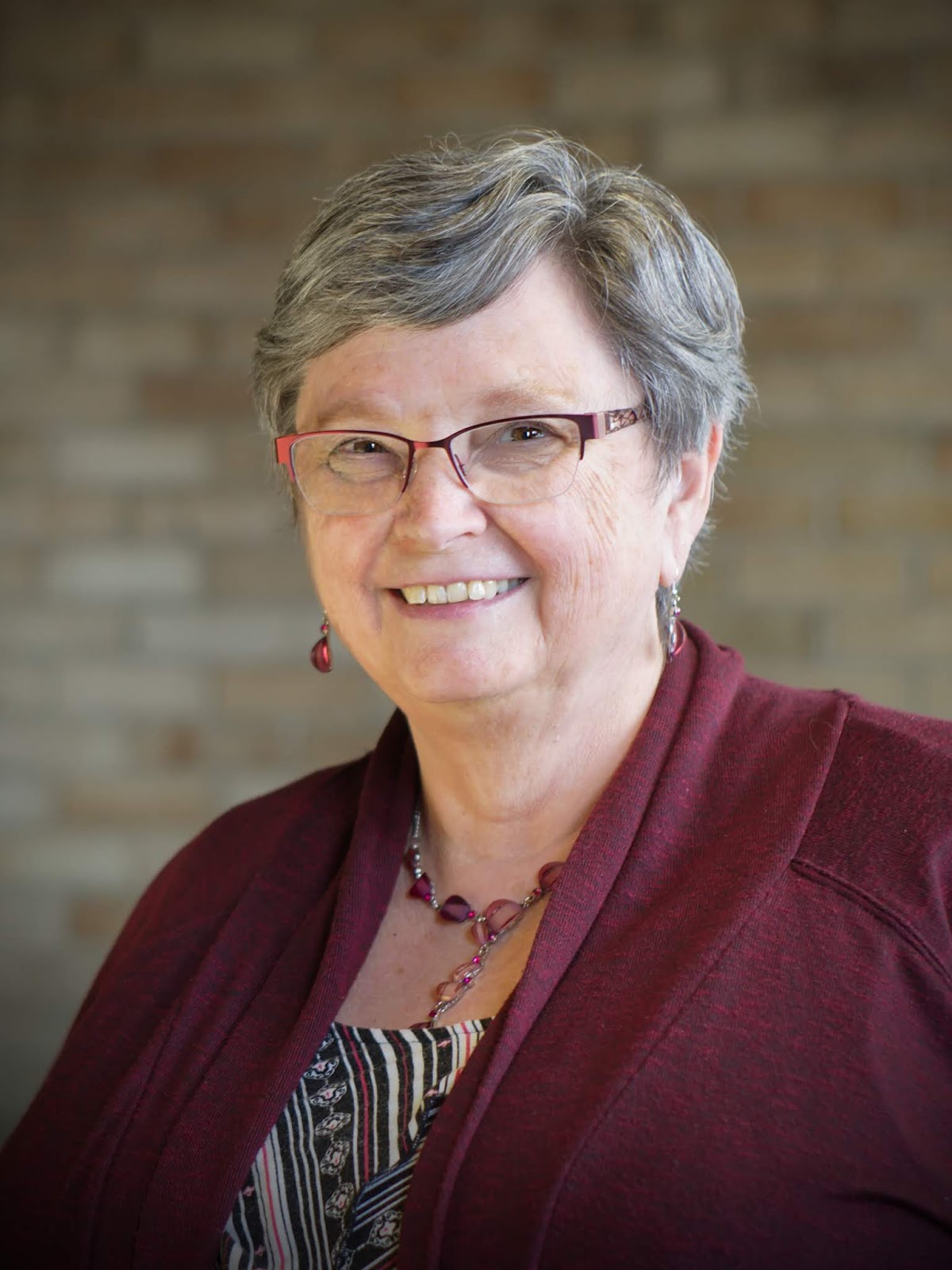
Alan lives in a small village called Deroche, British Columbia, with his wife, Terry, and their poodle, Charlie. He enjoys walking on the dike near his home, with trees all around and where he finds inspiration to write. He has occasionally written articles for FellowScript Magazine and is a regular contributor to the InScribe Christian Writers’ Fellowship blog. Alan’s website and blog is https://scarredjoy.ca. He also writes on Substack.


May 11, 2019

Dealing with Hurtful Words- Carol Harrison


Hurts run deep and stick around when I have been wounded by words and devastated by detractors. Real and perceived criticism of my writing floods into my mind like the rushing rapids in the Niagara Gorge. Year later old hurts can surface as the negative monkey voice in my head reminisces on them and tries to convince me to just give up.
 
The fact they happen is nothing new but how I deal with them changed over the years as I learned valuable lessons through different sources than I might have expected. 

The words my grade twelve English teacher penned at the end of my short story, "You have an unrealistic point of view." negated the good mark and lack of lots of red pen edits on the paper. The story I had worked hard on until I liked the result felt torn apart.

 His words devastated me, took on a life of their own and I thought he meant I had no writing ability. I never asked for clarification. I never discussed it with anyone else. I assumed I knew what those words meant. With the clarity of hindsight, I realize I hid my love of writing for years because of my own perceptions.

Critiques done well should be like the sandwich approach Toastmasters use in evaluations. These begin with positives such as skills we already possess as speakers or writers. The filling contains what we could improve on and how to accomplish these things. They evaluator ends on a positive note to encourage the speaker to continue working on their craft and speak again. I believe this same method works well for critiques of our writing and provides some great lessons in how I can deal with the negative reactions to my writing and quiet my own internal negativity.

Evaluations and critiques are one person's point of view and include their own biases and perceptions. They also are based on knowledge they have in a certain genre of writing.  In applying this to my grade twelve teacher's comment I now realize he referred not to my writing ability but to the world view I used in my story which did not agree with or reflect his own view of how characters might react.
 He thought Christianity unrealistic. Yet his edits and marks reflected how much I had accomplished in the grammar, verb tense agreement and plot structure based on his background and knowledge.

Critiques do not always follow this pattern of positivity.  I sat with a poet for some feedback on a poem, not my usual genre. I liked the imagery of these few lines and had several people enjoy it. The person told me something I already knew, "It's not a rhyming poem." They also added, "It's not really free verse either."  I asked for more explanation because I really wanted to learn. They had nothing to offer except to keep working on it. Their final thought, "Maybe just write it as a paragraph." Ouch.
Rejection of my attempt at poetry made me hide it away, forgetting the positives I heard from readers. It took years until I tried to write a poem again and the negative words from that critique overpowered my attempts to continue learning.

Another lesson I learned is to never give up. Keep learning. Keep writing. Keep trying to look for the positives even when the negative words threaten to make you give up. I took more workshops on various aspects of writing including poetry. I edited that first poem and put it away for a few more years. Then I submitted it to a magazine who published it this year. This reinforced the lesson of a critique being one person's opinion and the need to continue to learn and not give up.

Well done critiques are not critical but meant to nudge us into a new mindset, teach us and help us improve our writing. I began writing and requested ideas to help get me unstuck. A published author asked me who I planned to write this story for and if I really wanted to hear her thoughts or just receive a pat on the back. I told her I wanted to learn. She offered suggestions of things to cut and where to begin in a very curt manner. I must admit my first thought was, "Who does she think she is? this is my story."  My second thought, "Wait a minute you asked her for advice. You can start a new file and try it. If it doesn't work go back to your original copy."  I tried the story her way and it worked. It began to flow and grabbed the reader's attention. She knew what she was talking about. 

Rejection hurts and words can wound deeply. We feel pummeled by the raging waters of criticism. The effects might stay with us longer than we care to admit. We can put these into perspective by not allowing negative remarks and criticism from a single source to deter us from pursuing our passion for using our God-given abilities to write even if that style may differ from someone else's preference.

I  strive to learn from judges' comments in contests I enter as well as editors corrections instead of view them as an attack on my writing. It puts me into a more positive mindset. 


When the sting of harsh, hurtful words, negative comments on my work make me feel like giving up
I need to remember the words from Colossians 3:17 which says, "And whatever you do whether in word or deed, do it all in the name of the Lord Jesus giving thanks to God the Father through him."

My writing remains a work in progress with more to learn from others who have traveled this journey longer than I have. When the waters of doubt and hurt bombard me, I trust God to help me weather the storm by anchoring my roots deep into the Rock.


Carol Harrison is a speaker, published author and coach who lives in Saskatoon, SK. She believes in the importance of life long learning. Telling stories has been an important part of most of her life. Now she puts some of them on paper too.  Her passion is sharing real-life experiences and God's Word to help others find a glimmer of hope and a glimpse of joy. 

June 27, 2013

Blogging Through Flogging - Brenda J Wood


St. Paul self-published his way through manuscript after manuscript, continuing to write through every kind of pain and suffering. He wrote even when he didn't know if anyone would read. He wrote because he wanted the world to know truth, no matter the cost to himself.

Forty lashes, administered five times
Beaten with rods three times
Stoned once
Shipwrecked three times
A night and a day in the deep
Perils of every kind
Hungry, cold, weary and naked
And even worse? The care of the churches

Dear writing readers... We have no idea what suffering for our craft means. Are we willing to find out? Will we write when no one reads? Will we self-publish  and if necessary,give away our books to those who need truth? Will we endure when the reviews are terrible? Will we take rejection with a grin?

There is only one way to find out. Keep on writing, no matter what.


Brenda J Wood
heartfeltdevotionals.com